Cargo profile and first checks
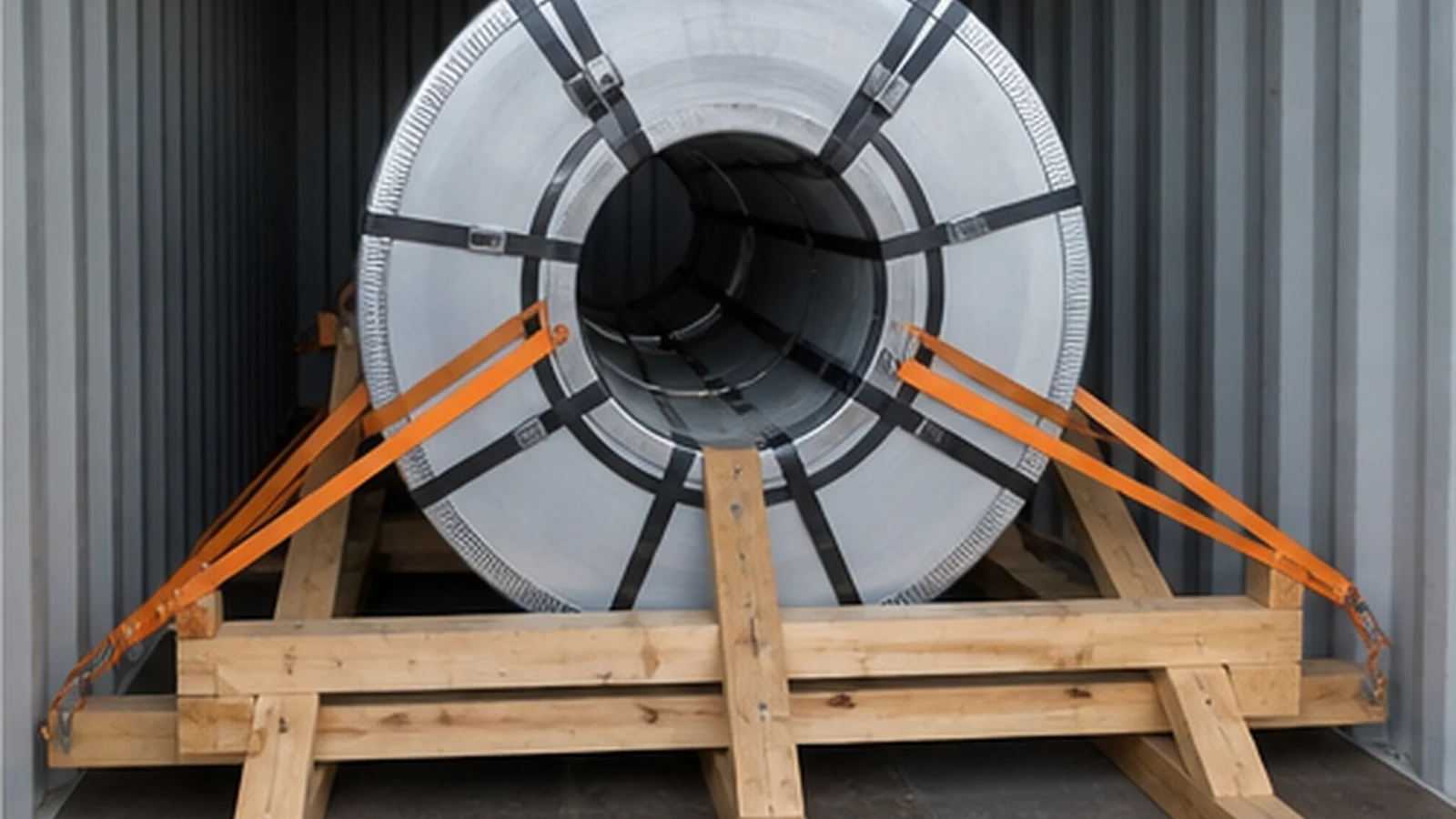
Steel coils should be described by material, unit count, final packed dimensions, gross and net weight, value, intended use and any regulated component. Photos of the packed units and the manufacturer specification help the forwarder test the route before space is requested.
Senior operator’s lens
Senior operator’s lens
The strongest booking decision is usually made before a rate is compared. An experienced operator looks for the physical fact that can change acceptance, equipment, handling or destination release.
Steel coils can reach payload, floor-load or road limits before the container reaches its nominal volume. Steel coils should be checked for humidity, salt-air and container-rain exposure across the planned season and route. Steel coils requires verified lifting points, centre of gravity, package footprint and equipment access at both ends.
Equipment and handling path
Choose equipment from the final load plan, not a rough CBM total. Confirm door clearance, payload, floor loading, lifting points, centre of gravity and whether the cargo can be stacked. A 20GP can suit dense freight; a 40HQ suits lighter volume; open-top, flat-rack, reefer or breakbulk require separate acceptance.
Packing, loading and evidence
Export packing must survive factory handling, inland trucking, terminal transfers, vessel movement and destination delivery. Record empty-container condition, package marks, quantities, moisture protection, blocking and bracing, the closed doors and seal number. Evidence supports control and claims but does not replace sound packing or insurance.
Documents and acceptance
Align the commercial invoice, packing list, HS description, values, weights and package count. Disclose batteries, liquids, chemicals, magnets, untreated wood, food, branded goods and other controlled features before booking. The importer and licensed destination broker remain responsible for destination classification and customs decisions.
Cost and schedule variables
Total cost depends on origin pickup, warehouse work, equipment, carrier and sailing, origin and destination handling, customs events, free time, inland delivery and any inspection or storage. Compare the same service boundary and confirm rate validity, cargo-ready date and cut-offs before committing.
Decision summary
Decision summary
| Decision | Evidence to request | What the answer changes |
|---|---|---|
| Equipment and handling path | Choose equipment from the final load plan, not a rough CBM total. Confirm door clearance, payload, floor loading, lifting points, centre of gravity and whether the cargo can be stacked. A 20GP can suit dense freight; a 40HQ suits lighter volume; open-top, flat-rack, reefer or breakbulk require separate acceptance. | Total cost depends on origin pickup, warehouse work, equipment, carrier and sailing, origin and destination handling, customs events, free time, inland delivery and any inspection or storage. Compare the same service boundary and confirm rate validity, cargo-ready date and cut-offs before committing. |
| Packing, loading and evidence | Export packing must survive factory handling, inland trucking, terminal transfers, vessel movement and destination delivery. Record empty-container condition, package marks, quantities, moisture protection, blocking and bracing, the closed doors and seal number. Evidence supports control and claims but does not replace sound packing or insurance. | Steel coils can reach payload, floor-load or road limits before the container reaches its nominal volume. Steel coils should be checked for humidity, salt-air and container-rain exposure across the planned season and route. Steel coils requires verified lifting points, centre of gravity, package footprint and equipment access at both ends. |
| Documents and acceptance | Align the commercial invoice, packing list, HS description, values, weights and package count. Disclose batteries, liquids, chemicals, magnets, untreated wood, food, branded goods and other controlled features before booking. The importer and licensed destination broker remain responsible for destination classification and customs decisions. | Operational starting point only. Carrier acceptance, customs treatment, rates and schedules require live confirmation for the actual shipment. |
Buyer questions with direct answers
Buyer questions with direct answers
These are the questions buyers normally ask after the first quotation. Each answer is a starting point for evidence, not a carrier or customs guarantee.
Are the final packed dimensions and gross weight verified?
Choose equipment from the final load plan, not a rough CBM total. Confirm door clearance, payload, floor loading, lifting points, centre of gravity and whether the cargo can be stacked. A 20GP can suit dense freight; a 40HQ suits lighter volume; open-top, flat-rack, reefer or breakbulk require separate acceptance.
Which cargo feature could change carrier acceptance?
Export packing must survive factory handling, inland trucking, terminal transfers, vessel movement and destination delivery. Record empty-container condition, package marks, quantities, moisture protection, blocking and bracing, the closed doors and seal number. Evidence supports control and claims but does not replace sound packing or insurance.
What packing and loading evidence will be retained?
Align the commercial invoice, packing list, HS description, values, weights and package count. Disclose batteries, liquids, chemicals, magnets, untreated wood, food, branded goods and other controlled features before booking. The importer and licensed destination broker remain responsible for destination classification and customs decisions.
Who confirms import requirements and destination charges?
Total cost depends on origin pickup, warehouse work, equipment, carrier and sailing, origin and destination handling, customs events, free time, inland delivery and any inspection or storage. Compare the same service boundary and confirm rate validity, cargo-ready date and cut-offs before committing.
Which costs or dates remain conditional?
Steel coils can reach payload, floor-load or road limits before the container reaches its nominal volume. Steel coils should be checked for humidity, salt-air and container-rain exposure across the planned season and route. Steel coils requires verified lifting points, centre of gravity, package footprint and equipment access at both ends.
Operational summary
Operational summary
A usable booking file connects the final packed cargo, handling path, acceptance evidence, cost boundary and named owner for the next action.
Steel coils can reach payload, floor-load or road limits before the container reaches its nominal volume. Steel coils should be checked for humidity, salt-air and container-rain exposure across the planned season and route. Steel coils requires verified lifting points, centre of gravity, package footprint and equipment access at both ends.
Operational starting point only. Carrier acceptance, customs treatment, rates and schedules require live confirmation for the actual shipment.